By clicking “Accept”, you agree to the use of cookies to enhance site navigation, for usage analysis, and marketing. View our Privacy Policy for more information.
Necessary for the site to function. Always On.
Remembers your preferences and provides enhanced features.
Used for targeted advertising.
Measures usage and improves your experience.
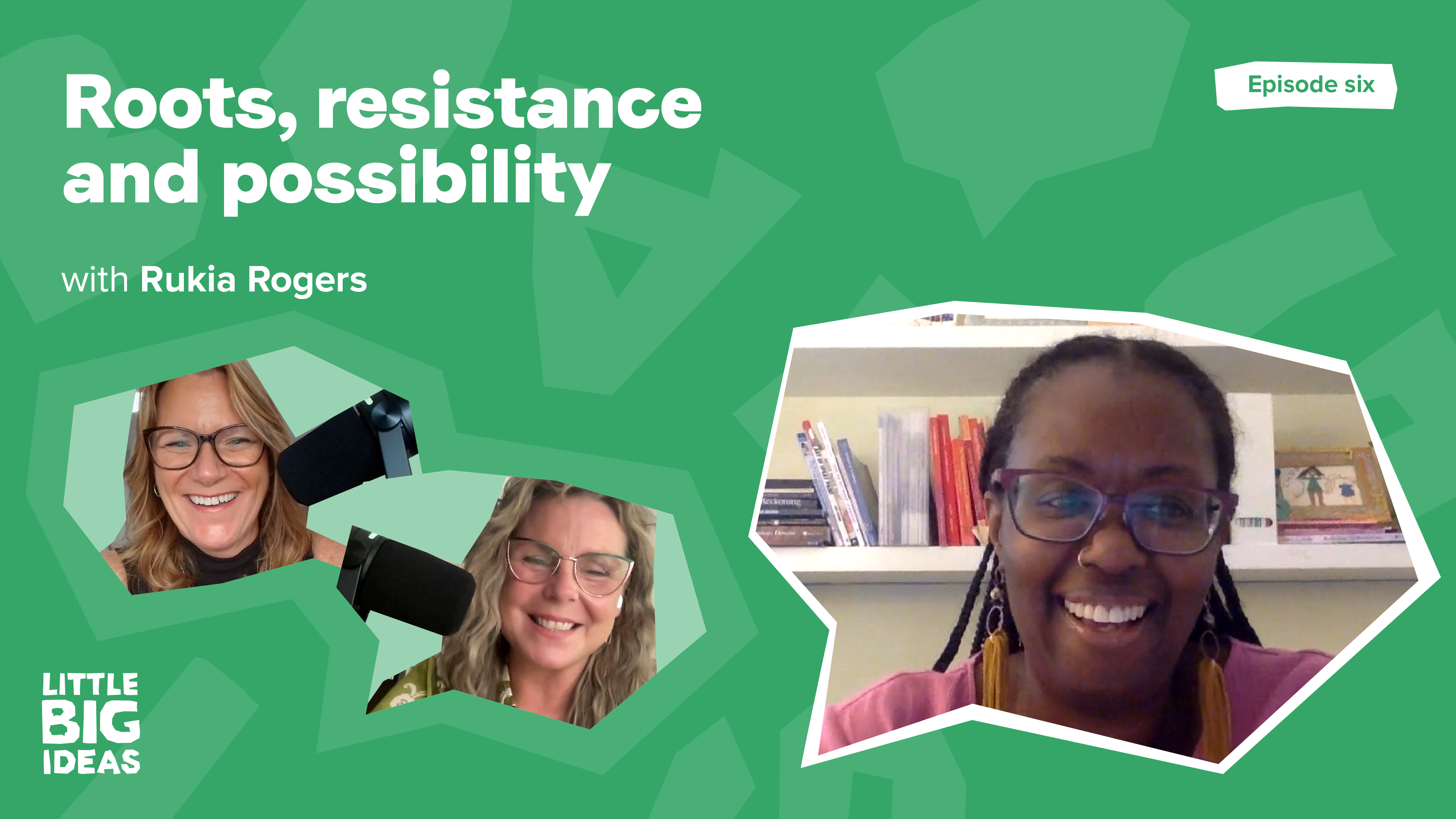
Rukia has built an early learning community that is both a hub of activism and a sanctuary of care.
This episode highlights inclusion myths, the stress and conditioning educators face, and reframes inclusion as a practice that benefits all.
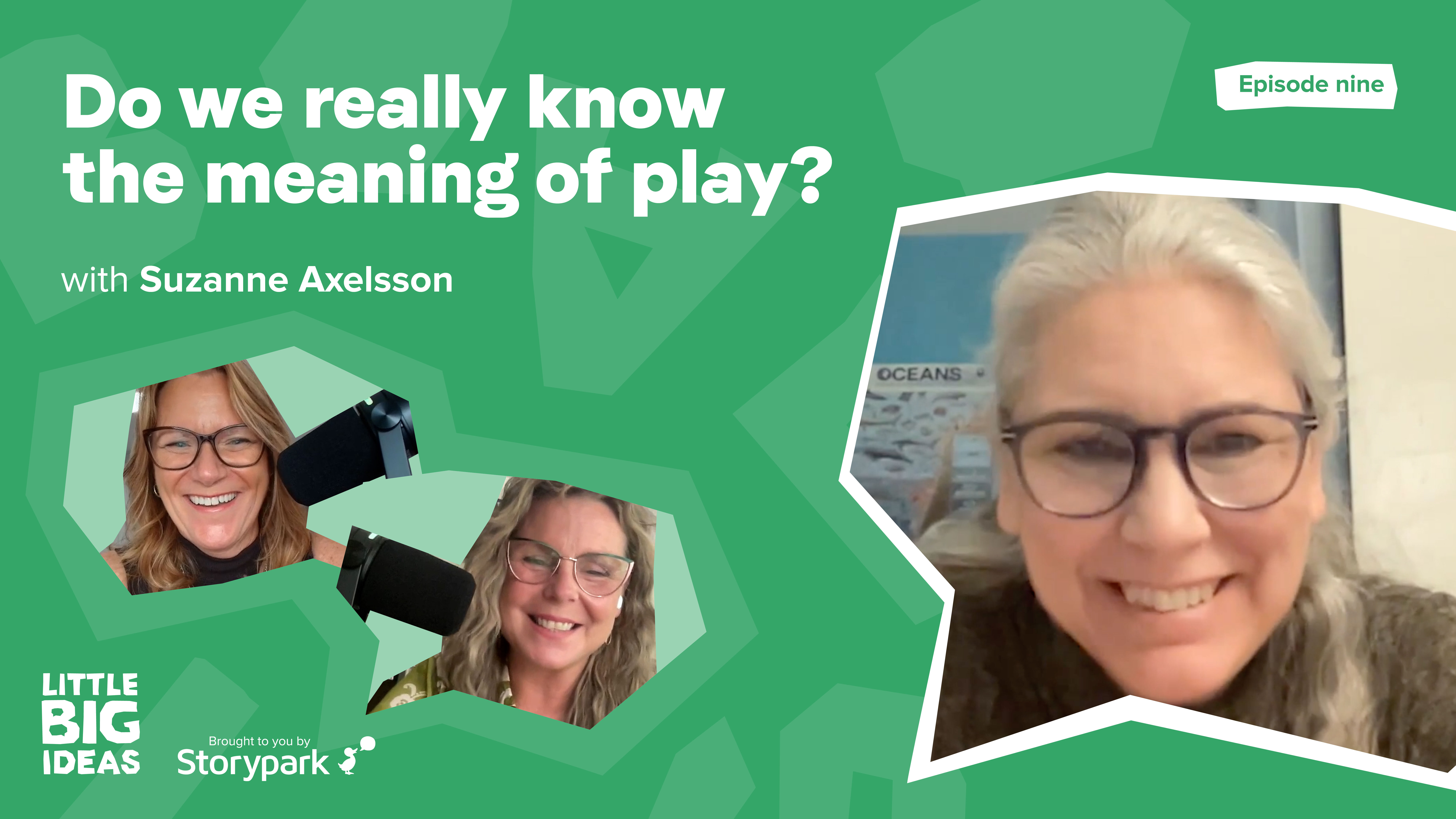
This episode challenges what we know about play — its schoolification, the educator's role in it, and how play prepares children for life.
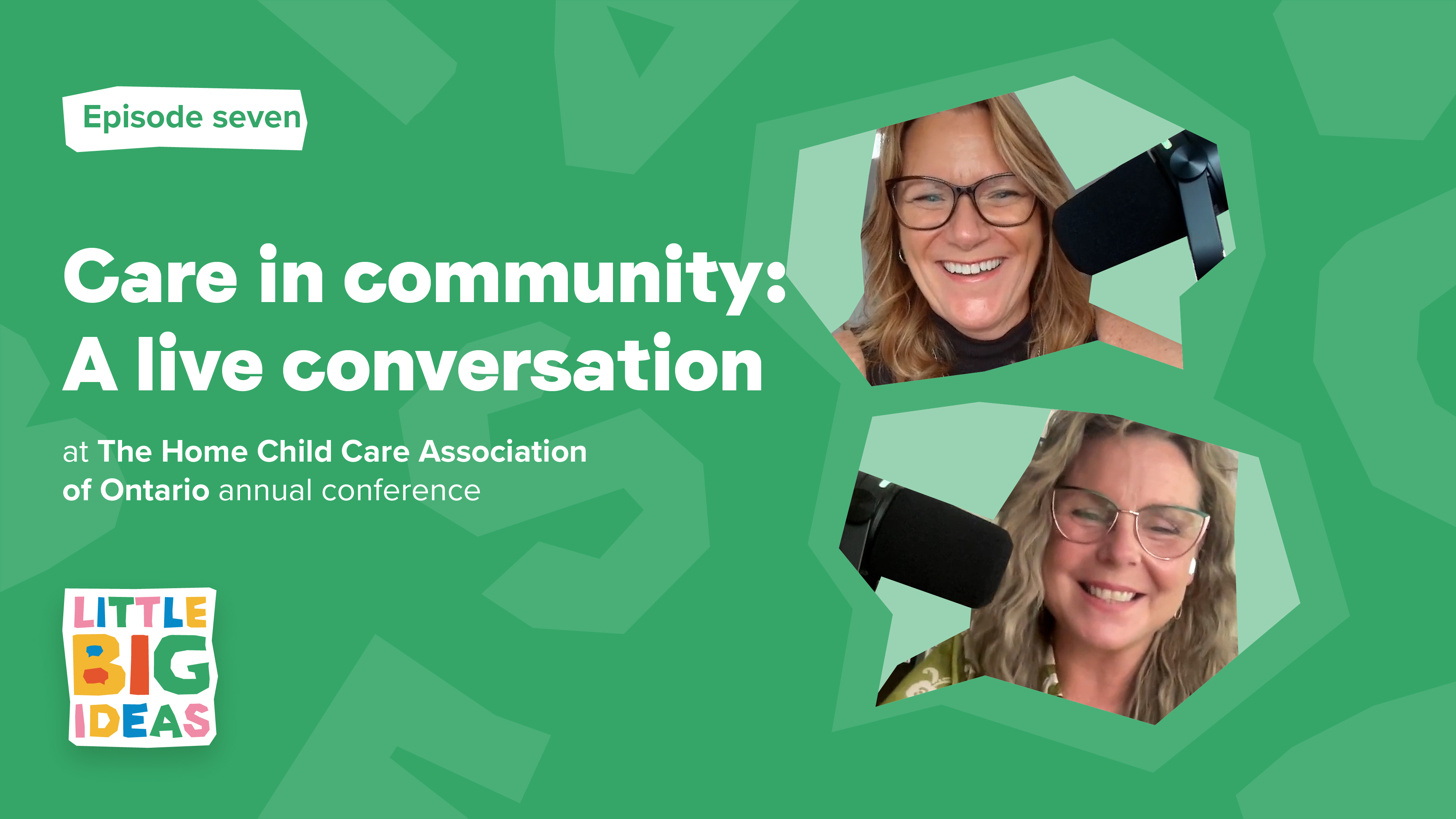
Together in a room filled with passionate in-home carers, we recognized the complexity and skill of home child care work.
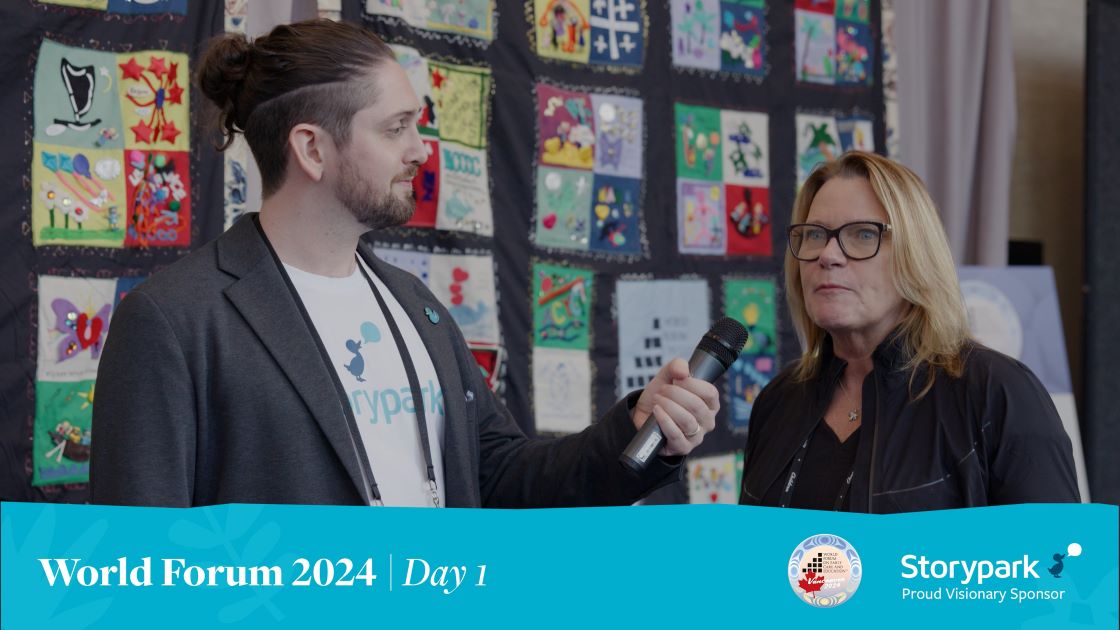
People from all around the globe shared their experience and wisdom with the common goal of improving the lives and education of...
Win a free book for your home or ece service!
This science experiment is as much an exploration of colour, as it is science. The capillary action of the water travelling up the paper...
Not having enough time is the biggest problem Professor Jane Bertrand keeps hearing from early childhood leaders. They are struggling to
Michele Lupa outlines the three theories that are foundational to Mothercraft: Attachment Theory, Developmental Theory & Relational Theory.
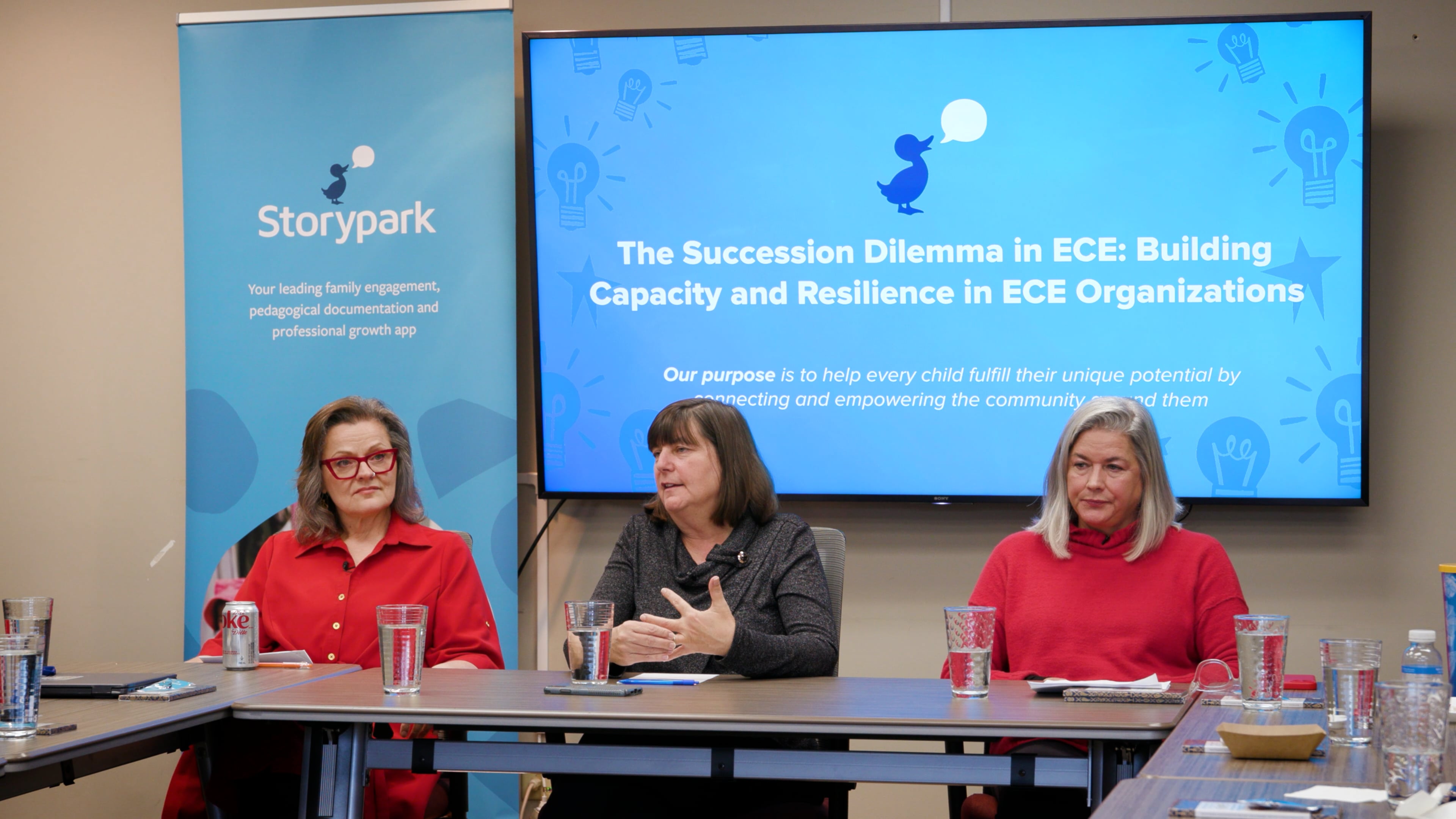
Storypark held an in person workshop to help ECE organizations develop succession plans.
Charles Pascal discusses his amazing vision for a seamless institute of learning from 0-18 years old.
Early childhood educators sometimes overlook the power of friendships. Hear Jane Bertrand from the University of Toronto discuss socio-em...
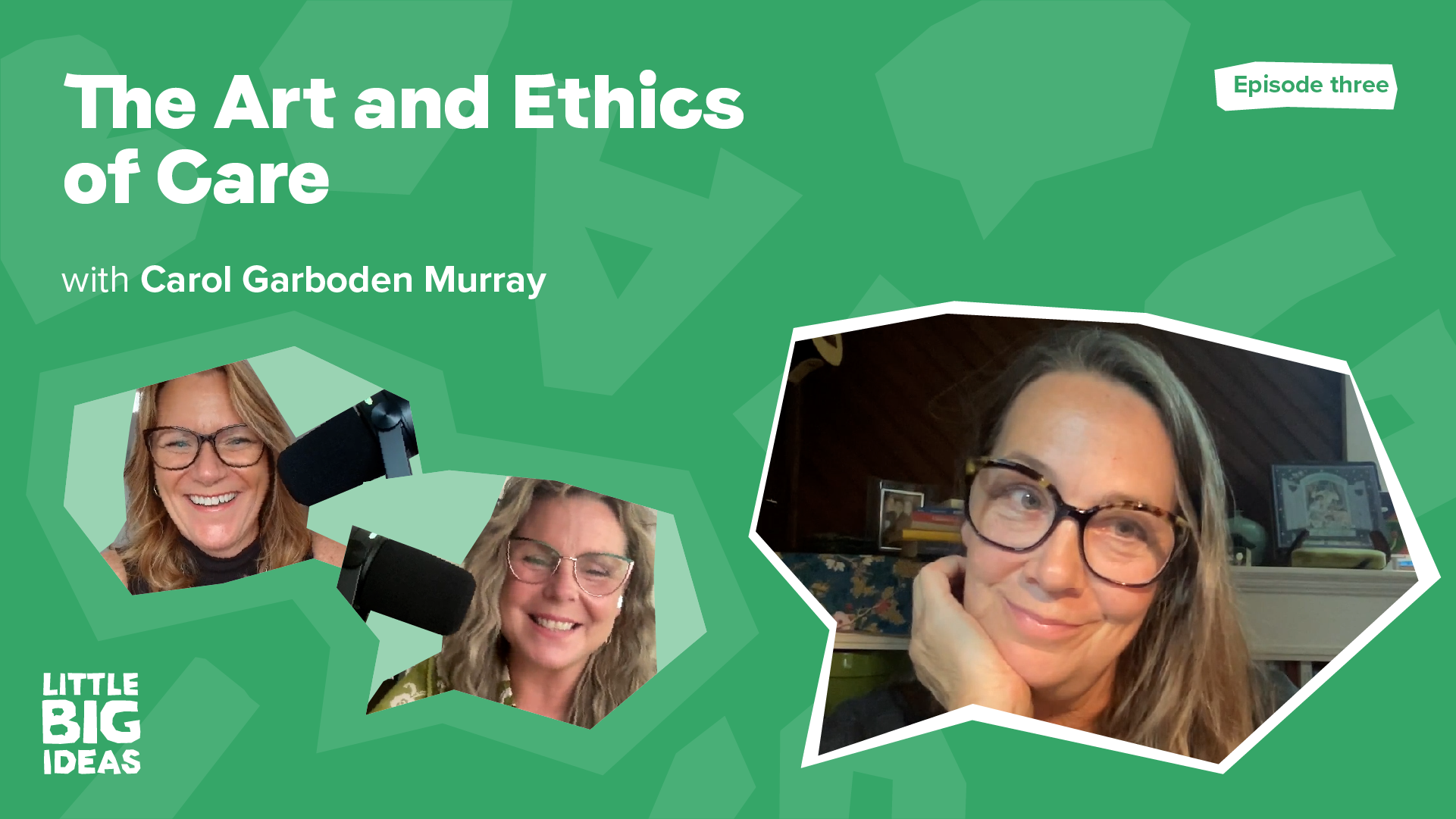
What if care isn’t just something we do, but the most important part of how we show up for children?
Let's unpack how curiosity, uncertainty, and the voice of the educator can shape truly responsive curriculum.
Developmental psychologist Dr Robert Coplan from Carleton University in Ottawa, discusses shyness in early childhood. What is shyness, an...
In this Mat time episode we hear from three influential thought-leaders to hear their thoughts on ECE's workforce challenge...
Lorrie McGee Baird and Anne Marie Coughlin share their perspective and their story of choosing to adopt Storypark.
This discussion with Deb Curtis explores our inherently social nature, and delves deep into the source of early development.
This is a follow up discussion to the Mat Time episode: "Land as First Teacher".
"Give a child long enough that their wellbeing is taken care of, that they've had time on the land to feel engaged and enlivened, that th...
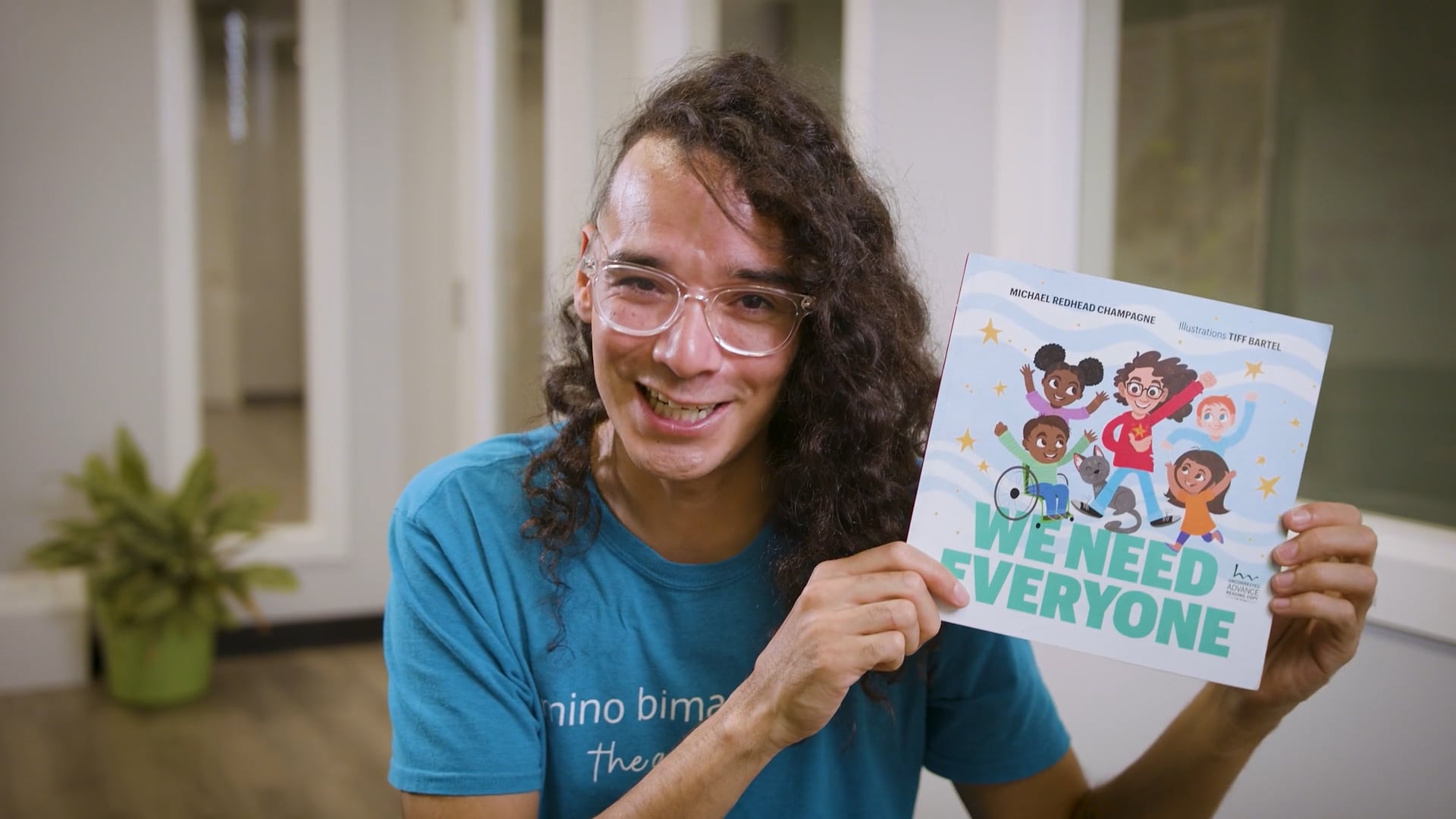
Kinship and reconciliation in early childhood | Michael Redhead Champagne
Director of Strategy, Policy and Quality Assurance at Canadian Mothercraft Society shares seven key learnings.
Forest schools are gaining huge popularity all around the world. What can the equivalent look like in New Zealand? We joined Dr Anne Mead...
The joy of providing an inclusive care environment far outweighs the challenges.
How Does Learning Happen' is Ontario, Canada's pedagogy for the early years. Diane Kashin of Technology Rich Inquiry Based Research has ...
Forest schools are becoming more and more prominent, benefiting children in a number of ways. Ottawa Forest and Nature School are leadi...
In this episode, Dr Hopi Marti shares his path back to his ancestors, the land, and the seasonal rhythms that guide his work with children.
The chemical reaction that occurs in this science experiment will lead to a lot of curiosity, questions, pondering and guessing...all of ...
The dancing raisin experiment is quite possibly the simplest science experiment ever! The carbon dioxide in the lemonade cling to the rai...
Chemistry gets a little crazy with the purple cabbage PH indicator experiment. Explore the PH levels in any number of household ingredien...
A stunning visual way for children to explore the scientific properties of vinegar, baking soda and oil.
Learn what the emerging workforce of qualified educators are looking for in their careers and from their employers.
Mental health problems affect about 1 in 10 children. What difference can we make as educators?
Learn how to create thriving workplace environments that retain and attract quality educators
Why are we seeing a decreasing trend in children's outdoor play? And what can we do about it? This Mat Time episode offers 3 important in...