By clicking “Accept”, you agree to the use of cookies to enhance site navigation, for usage analysis, and marketing. View our Privacy Policy for more information.
What Canadian Mothercraft Society learned from implementing a Diversity, Equity and Inclusion plan across their organization
By
Storypark
Published:
Jul 18, 2023
Updated:
Oct 23, 2026
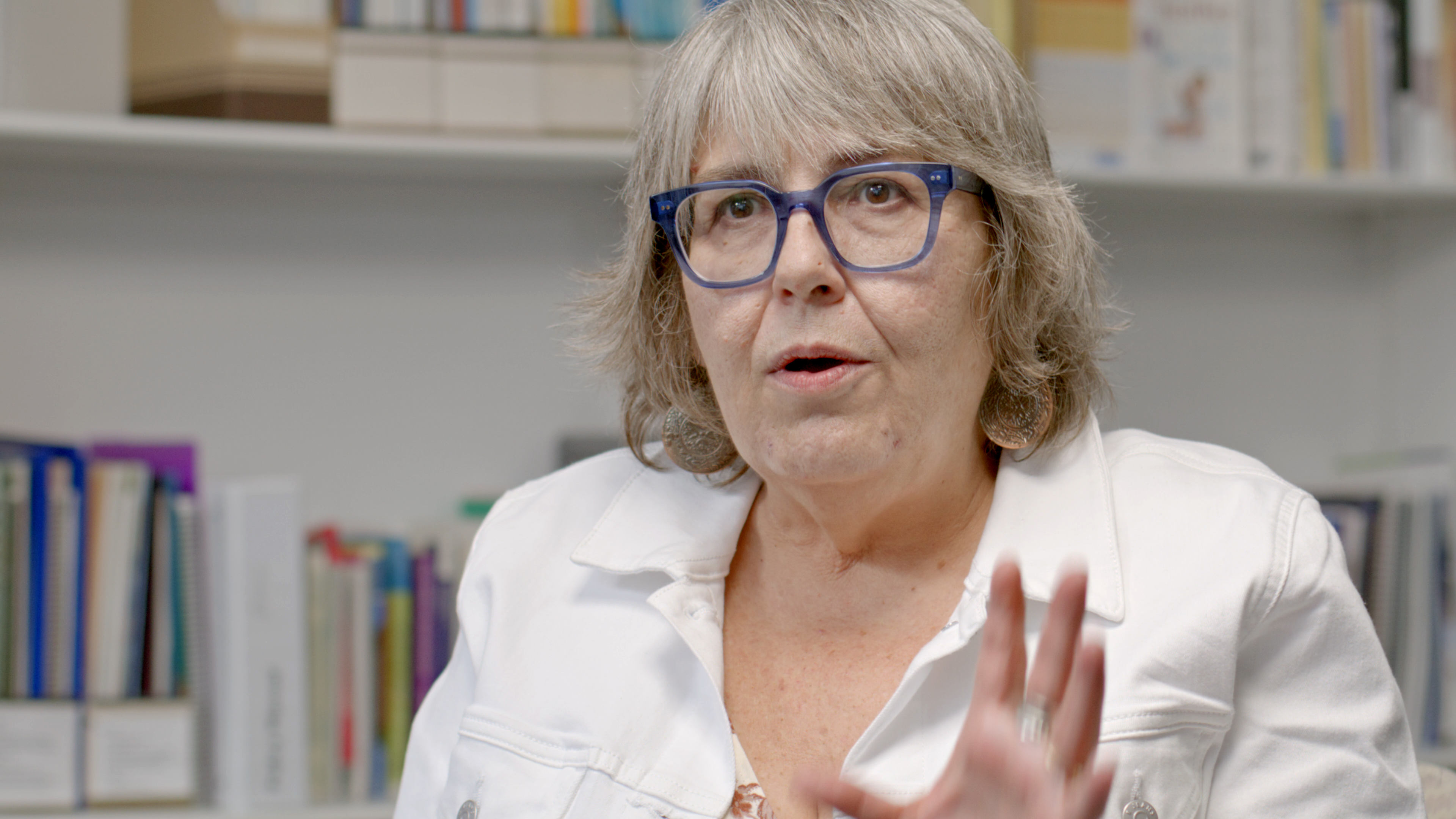
Implementing a comprehensive Diversity, Equity and Inclusion (DEI) plan across a multi-site early childhood organization is no easy task. It takes patient, humble leadership to see fundamental changes happen. But it is possible and it is worth it. Glory Ressler is the Director of Strategy, Policy and Quality Assurance at the Canadian Mothercraft Society and has first-hand experience of leading DEI initiatives across a large network of early learning centers. Through the process of creating a comprehensive and sustainable DEI plan at Mothercraft, there were seven key learnings that stood out.
1. Follow the facts, not the fads
There are so many great ideas circulating about diversity, equity and inclusion, but not every idea is going to be appropriate or work for your specific organization. Instead of following the current fads, focus on facts and on truly understanding both your employees and the people that your organization serves on a deep level. Your plan should be developed with that deep understanding as a foundation.
2. “Nothing about us without us”
Whatever your DEI plan is addressing, to support a marginalized group it’s vital that members of that group have a voice and are included in your planning process. Mothercraft’s approach was to create an advisory council that included diverse voices from all the different roles within the organization. They also intend to create affinity groups and focus groups that will be a safe place for their service users, families and children, to share their own voice and lived experience of diversity. The goal is to build a leadership culture that knows its people, and adapts to the changing demographics within the organization, always with an eye on being as inclusive as possible.
3. You can’t offer what you don’t have
Is it fair to ask staff to be inclusive if they themselves are not feeling included? Sometimes it might be your employees that are having a negative experience and not feeling included. A solution to this could be staff affinity groups that allow for candid insights into your employees experience of inclusion, good or bad. This can help to identify areas for improvement which may otherwise have been missed.
4. Plans should be living documents
Your organization and the people in it are always changing, so your diversity, equity and inclusion plan is going to change too. It’s important to understand that it’s not failure when you can’t deliver on your original plan, when you need to adapt. As Glory Ressler says, “there’s no such thing as failure, there’s success, and an opportunity to learn.” Your plan needs to be a living document. As you learn you can update your plan, and share those changes in a transparent way to bring everyone along with you.
5. Be compassionate
There is constantly changing language that can be hard to keep up with, so it’s important to be humble and compassionate with both ourselves and others when mistakes are made. . Moving towards being more inclusive can be tense, messy and uncomfortable, so be kind to each other in the process.
6. Connect before you correct
Following on from being compassionate, a key strategy for this is to connect before you correct. This is a bit like a “compliment sandwich”, but it's perhaps a bit deeper than that. Before you correct someone, you should have already invested in establishing a connection with them, and approach your interactions with them from an appreciative inquiry stance. That means to look for the good in everyone and use positive questions, instead of criticism, to guide the change you want to see.
7. It’s a learning process
Every small step in the right direction is a success. Without keeping that in mind, the endless adapting and course correcting can wear you down. It’s about developing and refining good habits that contribute to more diversity, equity and inclusion at your organization. It’s a long and wonderful journey of learning that will result in a better world for children, their families, and for all of us.
Hear directly from Glory on these seven DEI learnings in her Mat Time episode.